


Published: 28/10/2026



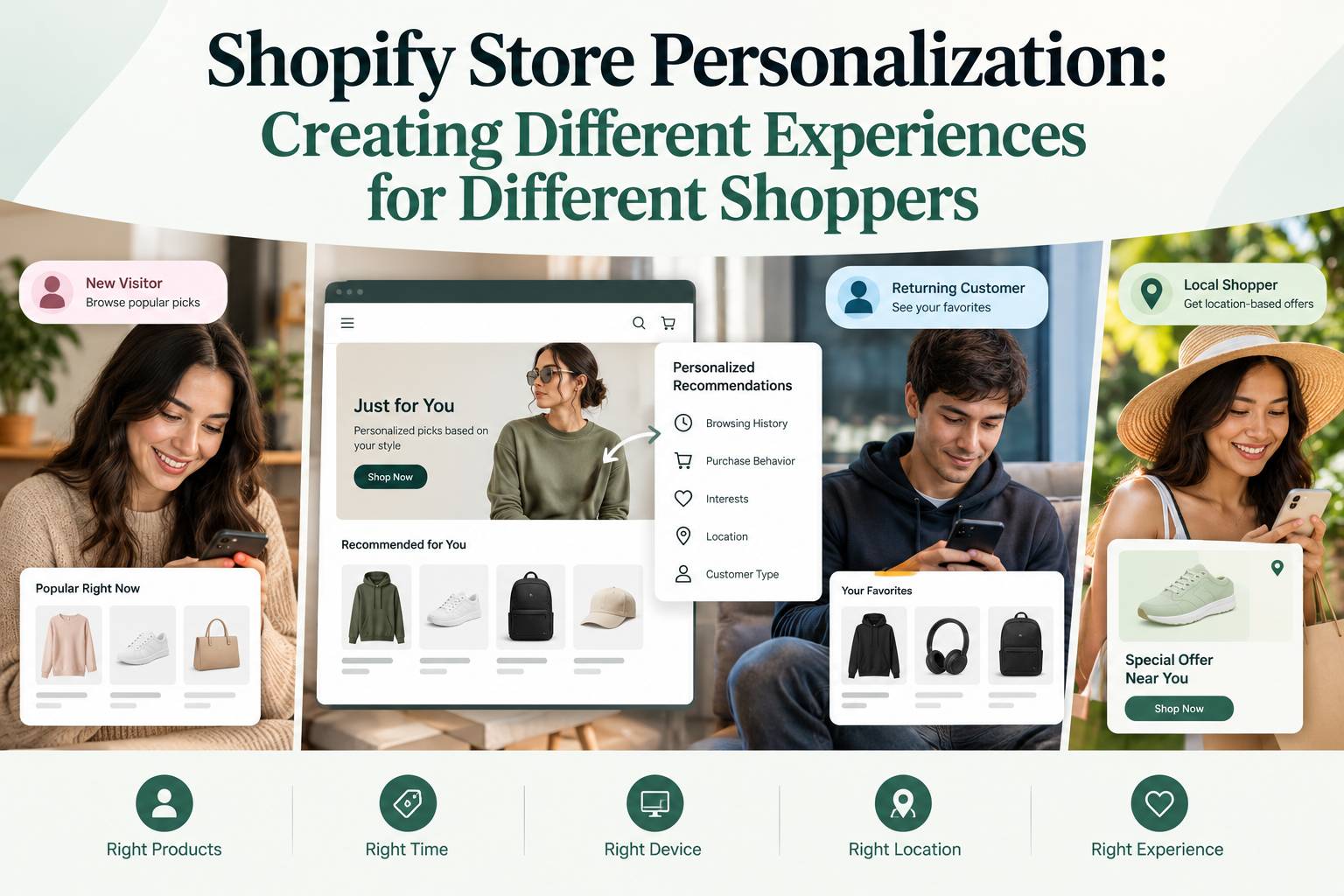
Every shopper visits an online store with different needs, preferences, and expectations. There are those customers who are fully aware of what they want and those who require suggestions before they can make a purchase. Personalization assists companies to make shopping experiences relevant to every visitor, which makes product discovery easier and fosters better customer relationships.
For Shopify merchants, personalization can involve tailored product recommendations, targeted offers, personalized emails, and customized shopping experiences. It is not merely to showcase various content but to assist customers in locating products that align with their interests and purchasing patterns.
The first step in effective personalization is to know how the customers engage with your store. History, past purchases, product searches, and cart activity can provide helpful trends regarding the preferences of shoppers.
For example, someone who frequently explores fitness accessories may appreciate recommendations for workout equipment. A repeat customer who buys skincare products on a regular basis may have product updates or replenishment notifications.
A shopify website builder provides the foundation for creating an online storefront, while suitable analytics and marketing integrations can help merchants understand customer behavior. Apply these lessons wisely, gather only the required data, and clarify your data practices.
Product recommendations assist shoppers to find relevant products without having to browse through a complete catalog. Rather than displaying the same recommendations to all visitors, you can display products according to the browsing history, purchase history, or even related product categories.
As an example, customers who see running shoes may be interested in suggestions of athletic socks or fitness accessories. A customer who buys a coffee machine might be interested in recommendations on compatible filters or coffee supplies.
To facilitate these experiences, Shopify merchants have the ability to discover recommendation features, compatible apps, and theme functionality. Shopify experts can help businesses identify suitable personalization tools and create recommendation strategies that fit their product catalog and customer journey.
Make suggestions helpful and not overwhelming. Excessive irrelevant recommendations may confuse customers and complicate the process of making purchases.
Discounts can be used to stimulate buying, but it might not always be effective to provide the same offer to all shoppers. Individual offers will be able to meet various customer requirements and will help your store to be profitable.
As an example, new customers could be offered a welcome bonus, and repeat customers could be offered a bonus depending on their buying history. Customers who still have products in their carts might like to receive a reminder instead of another discount.
Establish your goals and profit margins before launching customized promotions. Experiment with various offers to learn how they affect the conversion rates and average order value.
Do not cause unnecessary urgency or deceive customers with fake discounts. Relevant promotions are clear and create more trust than aggressive marketing strategies.
Customer segmentation enables merchants to cluster shoppers based on common attributes or behaviors. Some of the useful segments can be new visitors, repeat customers, high-value shoppers, and customers interested in specific product categories.
Relevant messages, product suggestions, or campaign content can be sent to each group. As an example, repeat customers might like to be among the first to see new collections, whereas first-time visitors might require more information about shipping, returns, and product advantages.
A flexible shopify website builder setup, combined with suitable apps and integrations, can help merchants support different customer journeys. Make the experience align with your brand identity to make personalization feel beneficial instead of disorienting.
Personalization must not be limited to product recommendations. Shopping can be made easier with relevant landing pages, useful product information, and customized email campaigns.
It is worth considering the emphasis on products that a visitor is interested in, the presence of the right categories on the opening pages, or post-purchase instructions depending on the purchased item. Customers who purchase home appliances, such as, might value installation guidelines and maintenance hints.
When the standard theme settings or existing apps are not able to satisfy certain requirements, Shopify developers can assist in implementing more advanced storefront functionality. Prior to investing in custom development, find out the specific customer problem you wish to address and how you will measure success.

Shopify store personalization helps merchants create more relevant experiences through customer insights, product recommendations, targeted promotions, and tailored content. Successful personalization makes shopping easier without overwhelming visitors or compromising their privacy.
Begin with clear customer requirements, select appropriate tools, and evaluate the outcomes regularly. Through a considerate approach, your store will be able to enhance product discovery, build customer relationships, and promote repeat purchases.

© Shopify Website Builder All rights reserved.